
The food at the wedding was delicious. I bet the food outside the hotel grounds was spectacular too, but I wouldn't know, and I have guilt about it. In light of this, I have decided to try to make up for missing out on the local cuisine of the Cote D'Azur by making a couple of French classics here at home.
 Croque Monsieur
(adapted from the Barefoot Contessa in Paris)
Serves 2
1 tablespoon unsalted butter
1.5 tablespoons all purpose flour
1 cup hot milk
1 pinch kosher salt
1 bit of fresh ground pepper
1 bit of ground nutmeg
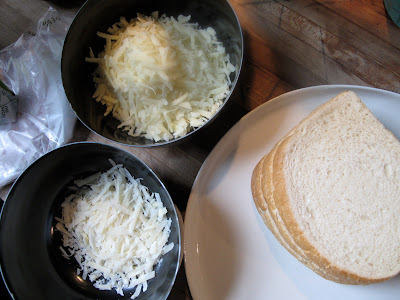
6 ounces grated Gruyere cheese
1/4 cup grated Parmesan cheese
4 slices white sandwich bread
Dijon mustard
4 ounces baked Virgina ham
Heat oven to 400 degrees.
Melt butter over a low heat in a small pan, then add flour and whisk for 2 minutes. Slowly pour the hot milk into the mix and continue to whisk until thick, about 5 minutes. Take off the heat and add salt, pepper, nutmeg, two handfuls of the Gruyere and all of the Parmesan.

Toast the bread for 3-4 minutes in the oven on a baking sheet. Brush half the bread with mustard, add a slice or two of ham to each and sprinkle with another two handfuls of the Gruyere. Put the sandwich together and slather with the melted cheese sauce, then sprinkle the remaining cheese on top. Bake for 5 minutes, then put under the broiler for 2-3 minutes until lightly browned.
Radishes with Herbed Butter
Serves 2-3
1 bunch of radishes with tops on, washed
sea salt
sliced and toasted baguette
1/2 stick room temperature unsalted butter
2 teaspoons minced scallions
2 teaspoons minced dill
2 teaspoons minced parsley
1/2 of a lemon's worth of juice
1 pinch freshly ground pepper
Combine the butter, scallions, dill, parsley, lemon juice, 1 pinch of salt and pepper in a bowl and mix together. Scrape into a small serving dish or ramekin. Place the radishes on a bed of sea salt.

Serve! Enjoy with a good
rose, some greens and a friend.
 When we were in London a few weeks ago, a friend introduced me to Marco Polo tea, and this weekend was gracious enough to bring me some for home from her continued travels in France. We enjoyed a cup of the Mariage Freres brand variety of Marco Polo together.
 The tea is wrapped in individually tied french muslin tea bags. Preparing it feels like you are doing something special and ancient.
 We used these Spode mugs to drink from, which were also a gift from a friend. Spode Blue Italian is classic, practical and elegant. Perfect for drinking tea named for an Italian explorer.
 The tea is strong and black. It is flavored with Chinese and Tibetan fruits, but manages to avoid tasting too sweet, despite its strong sweet scent, almost like cake. It's like tasting Venice, Persia, Afghanistan and China together in a cup.... the Silk Road of teas.


 The Luberon is not the Cote D'Azur. Instead of glamour, yachts, and Belle Epoch villas, you get mountains, forests, farmhouses, quiet roads and, in this case, a former monastery turned into a fantastic home for Daniel Vial. He restored and made livable this 11th and 12th century priory surrounded by the forests of the Aiguebrun Valley. His summer living room, above, is the former chapel. This Provence is more my speed.
 The pool has been built below the priory so it doesn't disturb the harmony of the original design.


 He may not be from the




 One place I (sort of) actually visited was the Ile St. Honorat. We approached by water, and I wish could have toured and spent more time. Located just off the coast from Cannes, it is the possession of the Cistercian monastic order. There are several different structures on the island: ruins dating from the 410 AD, when Saint Honoratus established an abbey here, as well as fortifications dating from the 11th century to the 14th centuries. The fortifications were built to protect against the
  The waterfront castle is really impressive. Here is a better look:

 France was incredible. The weather was great and the wedding was special beyond words. So special, in fact, that I am embarrassed to say we barely left the hotel grounds (I know, terrible). Also, my camera had some technical issues, so there aren't many photos to share. That won't stop me, however, from spending a little time focusing on one of the world's most blessed places: the Cote d'Azur. Above is an image looking out through the pine forests to the town of Antibes beyond.
 There were also huge flower gardens. This part of France is much like Southern California in that you can grow just about anything.
 Nearby is the town of Saint-Jean-Cap-Ferrat, where the Villa Ephrussi Botanical Gardens are located. Enjoy...


